


Football audiences no longer consume matches as static events. They interact with them. Every pass, shot, and substitution becomes a data point that feeds a broader digital system. This shift has redefined how platforms monetize attention.
African football media platforms operate in a high-growth environment. They combine editorial content, live updates, and fan communities. At the same time, betting ecosystems transform the same data into decision frameworks. The overlap between these two models creates a powerful monetization engine.
Real-time data sits at the center of this transformation. It connects fan attention with measurable actions. It reduces the friction between watching and participating. Most importantly, it converts passive interest into structured micro-transactions.
Real-Time Data as the Core of Engagement Systems
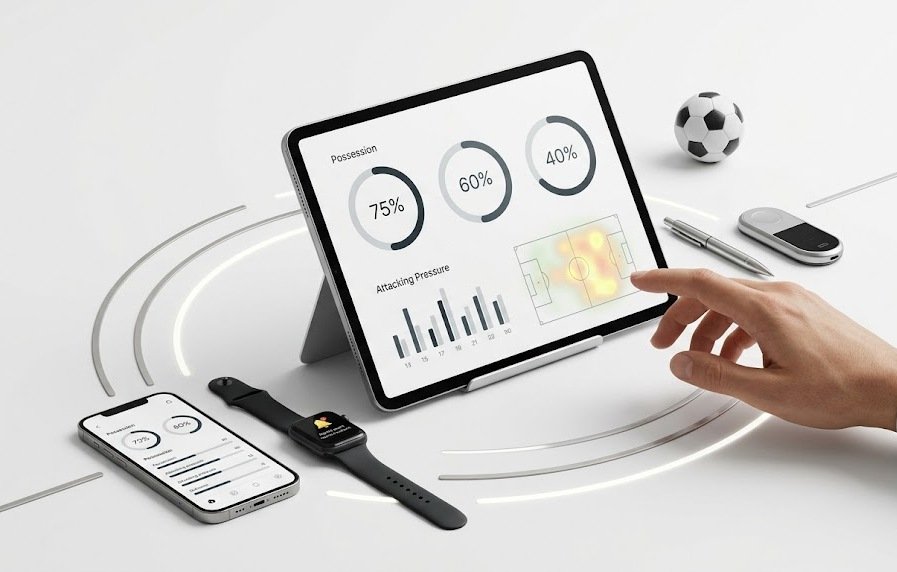
Real-time data does more than inform. It triggers behavior. When a platform delivers live statistics, momentum shifts, and probability signals, it creates moments where users are more likely to act.
This is where betting ecosystems become structurally important. Platforms similar to the desi bet app demonstrate how real-time interfaces translate match events into immediate decision opportunities. Instead of presenting raw numbers, they organize information into actionable formats such as live odds, dynamic markets, and contextual prompts that align with the current state of the match.
The value of such systems lies in their clarity. Users do not need to interpret complex datasets. The platform processes inputs and presents simplified outputs. This reduces cognitive load and accelerates decision-making.
Three elements define effective real-time engagement systems:
- Latency control ensures that data reaches users fast enough to remain actionable
- Contextual framing connects statistics to potential outcomes
- Interface simplicity removes friction between insight and action
African football platforms increasingly adopt similar principles. Live match trackers now include expected goals, possession maps, and player heat zones. These features are not only informative. They prepare users for deeper engagement layers, including betting or prediction-based participation.
The system works as a loop. A user watches a match. The platform surfaces a data signal, such as a sudden increase in attacking pressure. This signal triggers attention. The interface then offers a clear action, such as a live market. The outcome feeds back into the system, reinforcing future behavior.
This loop is not accidental. It is engineered.
Monetization Architecture: From Attention to Action

Turning engagement into revenue requires more than traffic. It requires structured pathways from observation to decision. Real-time data provides the entry point, but monetization depends on how platforms guide user behavior.
The process can be broken into stages:
- Attention capture through live content and updates
- Signal amplification using data-driven insights
- Decision framing via clear options and probabilities
- Transaction execution with minimal friction
Each stage must connect seamlessly. Any delay or complexity reduces conversion rates.
Micro-transactions play a central role in this architecture. Instead of relying on large, infrequent bets, platforms encourage smaller, repeated actions. These actions align with specific match events. For example, a user might place a bet on the next goal, a corner, or a time-bound outcome. The shorter the decision window, the stronger the engagement.
Behavioral economics explains why this works. Real-time environments increase emotional intensity. Users feel a stronger connection to outcomes. When platforms provide structured options at these moments, users are more likely to act.
However, effective systems do not rely on randomness. They use predictive models to guide both the platform and the user. These models analyze historical data, current match dynamics, and user behavior patterns. The result is a set of probabilities that shape available options.
From a business perspective, this creates multiple revenue advantages:
- Higher transaction frequency increases total volume
- Short decision cycles improve retention
- Personalized signals enhance user lifetime value
African football platforms can leverage these mechanisms even without operating betting services directly. By integrating data-rich content and partnering with external ecosystems, they can extend user journeys beyond content consumption.
The key lies in alignment. Content must lead naturally into interaction. Data must support decision-making. Interfaces must reduce friction at every step.
Conclusion
The convergence of football media and betting systems reflects a broader shift in digital engagement. Users no longer want to observe. They want to participate.
Real-time data enables this transition. It transforms matches into interactive environments. It creates structured moments where attention converts into action. Platforms that understand this dynamic can build scalable revenue models without compromising user experience.
For decision-makers, the implication is clear. Investment in data infrastructure is no longer optional. It is the foundation of modern engagement systems. Those who design effective data loops will control both attention and monetization in the evolving football ecosystem.
Disclaimer
This content is for informational and educational purposes only. It does not promote, encourage, or provide guidance for gambling or betting activities. Betting and wagering involve financial risk and may not be legal in all regions. Users are responsible for understanding and complying with local laws and regulations before engaging with any betting-related platforms or services.
Real-time sports data and digital engagement systems are discussed here from a media, technology, and business perspective. Any mention of betting platforms or applications is purely for analytical context, not endorsement.
Additionally, excessive engagement with betting or micro-transaction systems can lead to financial and behavioral risks. Users are advised to act responsibly, set limits, and seek professional guidance if they experience difficulty managing their participation.
References
- FIFA. (2023). Global Football Development Report. Available at: https://www.fifa.com
- Statista. (2024). Sports Data and Digital Media Trends. Available at: https://www.statista.com
- Deloitte. (2023). Sports Industry Outlook and Fan Engagement Trends. Available at: https://www2.deloitte.com
- PwC. (2024). Global Entertainment and Media Outlook. Available at: https://www.pwc.com
- International Betting Integrity Association. (2023). Integrity Report on Sports Betting Data and Trends. Available at: https://ibia.bet
- Lopez-Gonzalez, H., & Griffiths, M. D. (2018). Understanding the Convergence of Online Sports Betting and Sports Media. Journal of Gambling Studies. DOI: 10.1007/s10899-018-9751-1
- Newall, P. W. S. (2019). Behavioral Economics of Gambling: An Overview. Current Opinion in Behavioral Sciences. DOI: 10.1016/j.cobeha.2019.01.002