

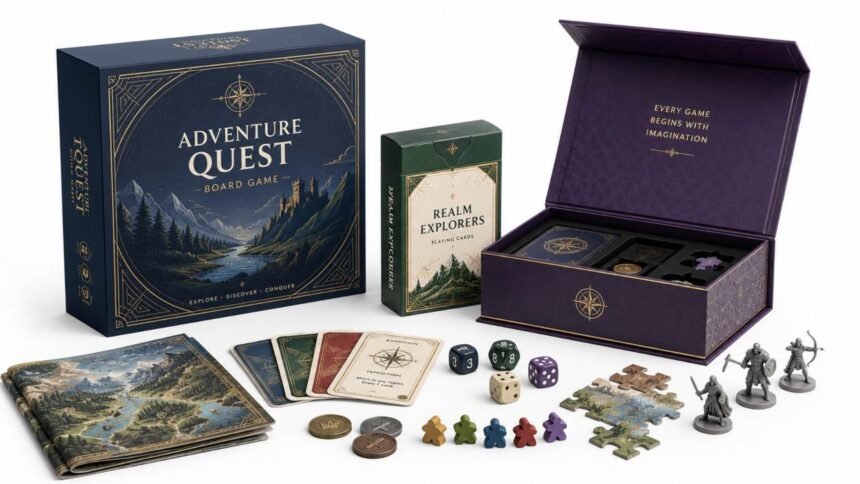
A game box does more than hold the product. It gives the first impression before anyone opens the lid, touches the cards, reads the rulebook, or starts playing. For board games, card games, puzzles, role-playing kits, video game collectibles, and tabletop sets, packaging becomes part of the full experience.
In a crowded gaming market, players often judge a game by how it looks, how it feels, and how carefully it has been presented. A weak box can make even a strong game feel ordinary. A well-designed box can make the same game feel premium, giftable, and worth keeping.
That is why many publishers, studios, and gaming brands now invest in Custom game boxes before the product reaches stores or online buyers. These boxes protect the game, support the brand, and create a stronger emotional connection with customers.
Why Game Packaging Matters More Than Ever
Gaming has moved far beyond one simple category. Today, people buy strategy board games, family card games, collector editions, expansion packs, party games, educational games, and digital game merchandise. Each product needs packaging that matches its purpose.
A family card game may need bright, friendly packaging. A fantasy board game may need a box that feels mysterious and detailed. A premium collector edition may need rigid packaging with inserts, foil details, or a magnetic closure. The right box helps the buyer understand the value of the game before reading a single instruction.
Good packaging also supports trust. When a customer receives a game in a strong, clean, well-printed box, it tells them the brand cares about quality. This matters especially for online orders, where the box may be the first physical contact between the buyer and the brand.
Benefits of Custom Game Boxes
Better Protection for Game Components
Games often include many small and delicate parts. Cards can bend. Dice can get lost. Boards can scratch. Miniatures can break. Discs, booklets, tokens, and accessories can become damaged during shipping or storage.
Custom packaging helps prevent these problems by using the right box size, material strength, and internal structure. Inserts, trays, and dividers keep every piece in place. This protects the game during transport and also makes it easier for players to store everything after each use.
For brands that sell online, this is especially important. A damaged box can lead to returns, complaints, and poor reviews. Strong packaging helps protect both the product and the reputation of the business.
A Stronger Brand Identity
A game box is one of the most visible parts of the product. It carries the logo, artwork, colours, theme, age range, game type, and key selling points. When designed well, it tells the customer what kind of experience they can expect.
Custom-printed boxes allow brands to show their personality clearly. A horror game can use darker artwork and heavier textures. A children’s game can use soft colours and simple visuals. A strategy game can use sharp design, clean layout, and premium finishes.
This brand identity matters because customers remember packaging. If the box feels special, they are more likely to remember the game, recommend it, and look for more products from the same publisher.
A Better Unboxing Experience
Unboxing is now part of the buying experience. People enjoy opening products that feel carefully made. This is true for games as much as it is for electronics, beauty products, books, and collectibles.
A custom game box can turn a simple purchase into a moment. Smooth opening, neat inserts, printed interiors, organized compartments, and premium finishes all make the customer feel like they bought something valuable.
This is especially useful for gift products. Games are often bought for birthdays, holidays, family nights, and special occasions. Attractive packaging makes the product easier to gift and more exciting to receive.
More Shelf Appeal and Online Appeal
Packaging has to work in two places: on shelves and on screens. In a store, the box has to catch attention quickly. Online, it has to look clear and attractive in product images.
Custom game packaging helps with both. Strong artwork, readable titles, clean layout, and clear product details can make a game stand out. This can improve buyer confidence and make the product feel more professional.
The U.S. Environmental Protection Agency also notes that packaging is one of the most common material types people interact with daily, which is why smarter packaging choices matter for both business and environmental reasons.
Key Features of Custom Game Boxes
High-Quality Materials
The material of the box affects how the customer sees the game. Thin packaging may feel cheap, even if the game itself is good. Strong materials help the product feel more reliable and valuable.
Common material choices include cardboard, paperboard, corrugated board, kraft paper, and rigid board. Rigid boxes are often used for premium editions because they feel heavier and more durable. Kraft and recycled paperboard are useful for brands that want a natural or eco-conscious look.
The Forest Stewardship Council provides certification options for paper and packaging materials linked to responsible forest management, which can support brands that want more sustainable packaging choices.
Custom Printing
Printing is where the box starts to become part of the game world. The artwork, title, characters, symbols, and colours should all work together.
High-quality printing can include full-colour artwork, matte or gloss finishes, inside printing, product instructions, QR codes, safety details, and brand storytelling. The goal is not just to make the box look attractive. The goal is to make the packaging feel connected to the game itself.
A fantasy game, for example, may use map-style artwork on the inside of the lid. A card game may use bold character illustrations. A puzzle game may use clean visuals that show the finished design clearly.
Custom Sizes and Structures
Not every game needs the same box. A deck of cards does not need the same packaging as a large board game. A collector edition does not need the same structure as a small travel game.
Custom sizing helps reduce wasted space and keeps the product secure. It also helps the box look neat and balanced. Brands can choose tuck boxes, two-piece boxes, sleeve boxes, magnetic closure boxes, drawer-style boxes, mailer boxes, or rigid gift-style boxes.
Businesses that use packaging across different product lines can also match game packaging with custom boxes for accessories, expansion packs, merchandise, and promotional sets.
Inserts, Trays, and Dividers
Game components need organization. Without inserts or dividers, cards, dice, figures, and boards can move around inside the box. This can damage the pieces and make the game look messy when opened.
Custom inserts solve this problem. They can be made from cardboard, molded pulp, foam, or paperboard, depending on the product. These inserts can create separate spaces for cards, dice, boards, tokens, rulebooks, miniatures, and other parts.
Good organization also improves the player experience. When everything has a proper place, the game is easier to set up, pack away, and use again.
Finishing Options
Finishing details can make packaging feel more premium. These details are often small, but they can change the full look of the box.
Popular finishing options include matte lamination, gloss lamination, soft-touch coating, embossing, debossing, foil stamping, spot UV, textured paper, and printed sleeves. These finishes can highlight the title, logo, character artwork, or special edition label.
For premium games, these touches can help justify a higher price point. For new games, they can help create stronger first impressions.
Window Cutouts
Some game boxes include a window so customers can see part of the product before buying. This can work well for miniatures, dice sets, collectible cards, puzzles, or special accessories.
A window can build trust because the buyer can see what is inside. It also adds visual interest to the packaging. However, it should be used carefully. The window must protect the product and still match the overall design of the box.
Safety and Compliance Considerations
Packaging for games should not only look good. It should also support product safety, especially when games are made for children or include small parts.
The U.S. Consumer Product Safety Commission provides guidance for toy and game safety, including requirements that may apply to children’s products. The CPSC also explains how ASTM F963 requirements can apply to toys and related products through its ASTM F963 guidance.
For brands that ship games through ecommerce, package testing can also be useful. The International Safe Transit Association provides test procedures used to evaluate packaging performance during transport.
This does not mean every game box needs the same testing or certification. It means brands should think carefully about product age range, small parts, shipping distance, materials, and the way the game will be handled before reaching the customer.
Sustainable Game Packaging
Many buyers now care about how packaging is made and what happens to it after use. Game brands can respond by choosing recyclable paperboard, kraft paper, reduced plastic, soy-based inks, and right-sized packaging.
Sustainable packaging is not only about using brown paper or adding a green label. It should reduce waste, protect the product properly, and still give customers a good experience.
The Ellen MacArthur Foundation has widely discussed the need to rethink packaging systems, especially around plastic waste and circular design. For game brands, this can mean using fewer unnecessary materials, avoiding oversized boxes, and choosing packaging that is easier to recycle where facilities exist.
Eco-friendly packaging can also improve brand image. Customers who care about sustainability may be more likely to support brands that make responsible choices without sacrificing quality.
How Custom Game Boxes Help Sales
A buyer may not know how good a game is until they play it, but they can judge the packaging immediately. That first judgment can affect whether they click, pick up the box, read more, or move on.
Good packaging can help sales by making the product look more professional, easier to understand, and more exciting to own. It can also help communicate important details quickly, such as player count, age range, play time, game type, and what is included.
For online stores, packaging also supports product photography. A well-designed box can make listings look stronger on marketplaces, websites, and social media. This can help small game creators compete with larger brands.
Best Uses for Custom Game Boxes
Custom game boxes can be used for many types of gaming products, including:
- Board games
- Card games
- Puzzle games
- Tabletop games
- Role-playing game kits
- Dice sets
- Miniature game sets
- Educational games
- Video game collector editions
- Expansion packs
- Promotional gaming kits
- Gaming merchandise bundles
Each product needs a slightly different packaging approach. The best box is not always the most expensive one. The best box is the one that protects the product, fits the brand, and gives the buyer a reason to care.
Conclusion
Custom game boxes are not just packaging. They are part of the product experience. They protect the game, present the brand, organize the components, and help customers feel confident about what they are buying.
In today’s gaming market, presentation matters. A strong game deserves packaging that feels just as thoughtful as the product inside. With durable materials, custom printing, smart inserts, creative finishes, and sustainable options, game brands can create packaging that looks professional and works well in real life.
Whether the product is a board game, card game, puzzle, collector edition, or tabletop set, custom game packaging can help it stand out, stay protected, and leave a lasting impression.