

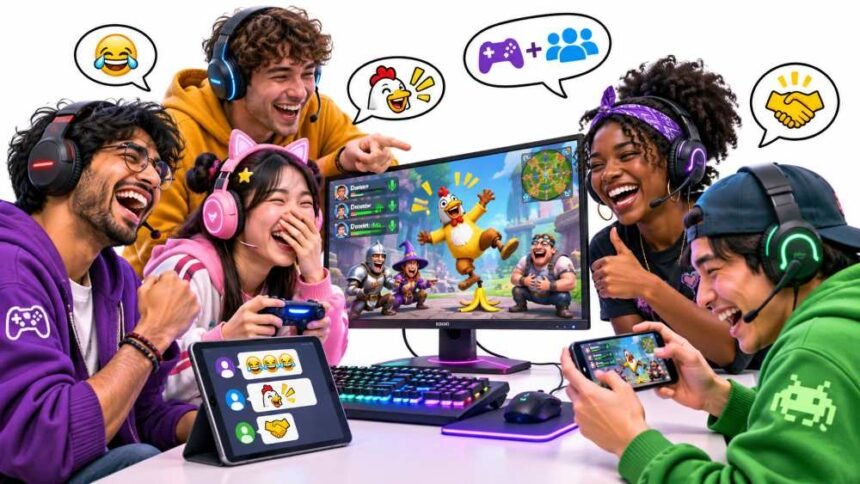
A shared laugh can change the atmosphere of a game within seconds. Whether people gather around a table, join an online community or take part in a virtual event, humour often helps break the ice and encourages conversation. Community-based games thrive on interaction, and light-hearted moments frequently become the stories that players remember long after the game ends. While humour does not guarantee a better experience, it can help people feel more comfortable, connected and willing to participate in a positive way.
Humour Helps People Feel Welcome

Many players join community-based games to enjoy social interaction as much as the gameplay itself. Humour can make those first interactions less intimidating, particularly when people do not know each other.
For example, a friendly joke from a host or a playful comment about an unexpected game result can reduce tension and encourage conversation. When people smile or laugh together, they often feel more relaxed and confident about joining discussions. Research covered by Berkeley’s Greater Good Science Center suggests that shared laughter can boost a sense of connection between people. This can be especially helpful for new players who may feel unsure about participating in an established community.
Look for communities that encourage friendly humour while respecting other participants.
Shared Jokes Create A Sense Of Belonging
Many gaming communities develop their own running jokes, memorable phrases and amusing traditions over time. These shared references can help players feel part of a group because they create common experiences that people recognise and enjoy.
Imagine a weekly game where players regularly laugh about a recurring event or a light-hearted mistake that became part of community lore. New members gradually learn these references and often enjoy becoming part of the ongoing conversation. The jokes themselves matter less than the feeling of connection they help create.
This process encourages engagement because people often return to communities where they feel accepted and included.
Humour Makes Social Gaming More Enjoyable
Games naturally involve moments of success, disappointment and surprise. Humour helps people handle these situations in a balanced way by keeping the focus on enjoyment rather than outcomes alone.
For instance, players on a bingo site may chat about unusual number patterns or funny game moments while they participate responsibly. These conversations add a social dimension to the experience and give players something to discuss beyond the game itself. As a result, the activity can feel more interactive and engaging without increasing the importance of winning.
Always treat gambling-based games as a form of entertainment and only spend money that you can comfortably afford to lose. Free advice and support are available from BeGambleAware.
Positive Humour Supports Healthy Communities
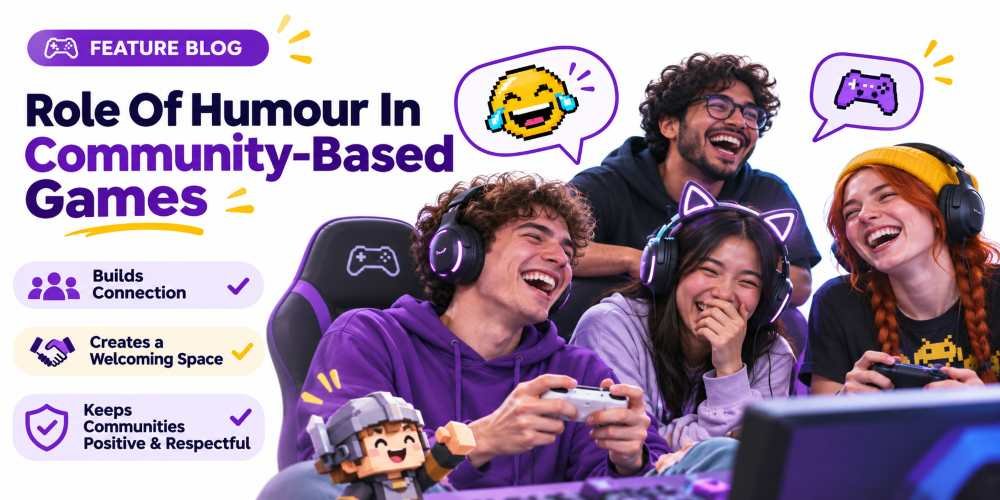
Not all humour contributes equally to a community. Friendly jokes that include rather than exclude people tend to strengthen social bonds, while personal attacks or mocking behaviour can have the opposite effect.
Community managers often encourage humour that welcomes participation from a wide range of players. For example, they may celebrate amusing game moments, share light-hearted content or recognise funny community traditions. Many platforms set out clear expectations too, such as the Xbox Community Standards. These approaches help maintain a respectful environment while still allowing personality and spontaneity to flourish.
When you contribute humour that focuses on shared experiences rather than individuals, you help create a space where more people feel comfortable joining the conversation. Over time, that welcoming atmosphere can become one of the strongest reasons why players continue returning to a community-based game.
Disclaimer: This article is for general information only. Gambling-based games are for adults aged 18 and over. Please play responsibly and seek support if gambling stops being fun.