

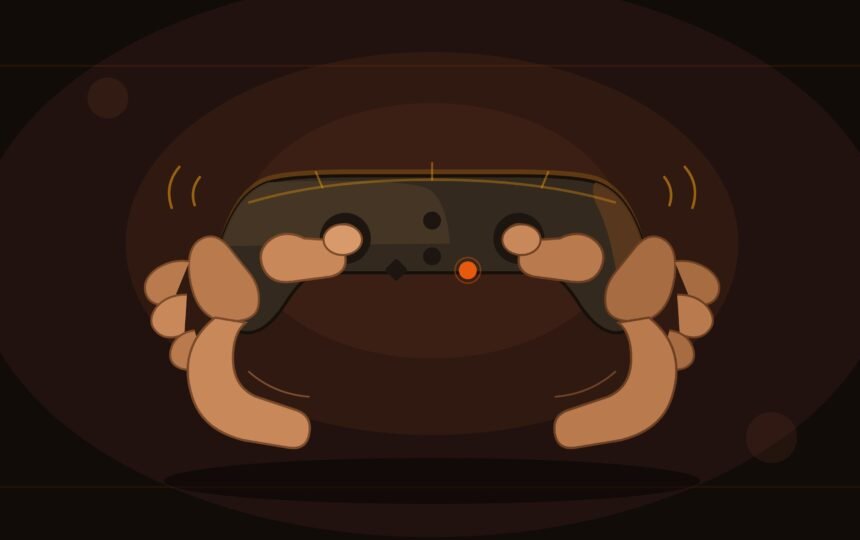
The vibration test passed, both motors buzzing right on cue when triggered, and yet every explosion in the game felt like a mild tap compared to how the same controller had felt a year ago. Nothing was broken in the sense that would fail a diagnostic. The controller vibration motors work, technically, but they feel weaker than before, and that distinction between functional and actually effective turned out to matter a lot more than I expected.
Why Vibration Motors Feel Weaker Than Before Without Actually Failing
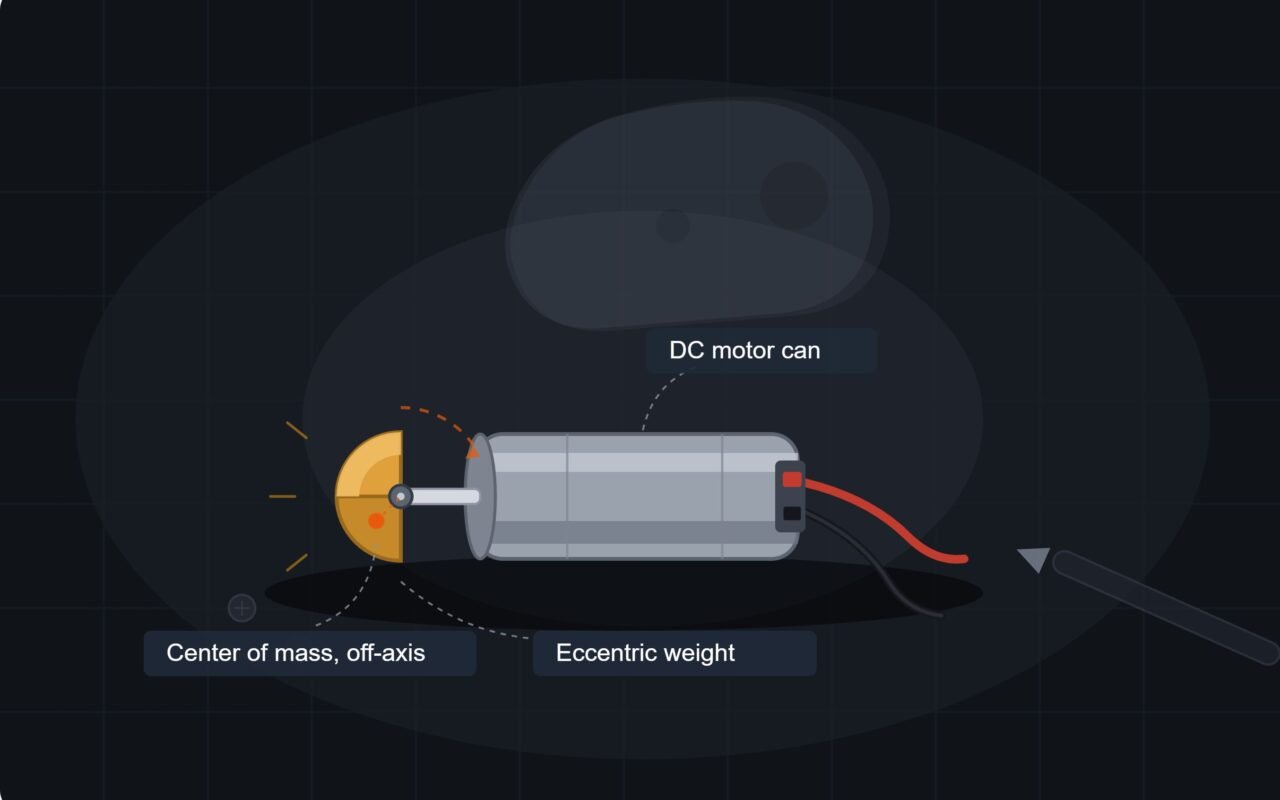
A rumble motor weaker than its original output is usually not a binary failure, on or off, but a gradual decline in the physical force it produces per activation. A rumble motor weaker by even twenty percent is enough for a player to consciously notice during an intense moment, even though that same twenty percent difference would be nearly impossible to detect in a side-by-side spec comparison on paper. Most controller haptics use small eccentric rotating mass motors, an off-center weight spinning to produce vibration, and the bearings and mounting points supporting that spinning weight wear gradually with use, the same way any small mechanical component does over thousands of hours of operation.
The two motors in a standard controller, one larger for low-frequency rumble and one smaller for high-frequency feedback, do not necessarily wear at the same rate. Many games lean more heavily on one motor than the other depending on genre, meaning a player who mostly plays shooters that emphasize the high-frequency motor might notice that specific motor weakening faster than the low-frequency one, producing an oddly lopsided feedback feel rather than a uniform decline across both.
Haptic feedback degradation happens slowly enough that you rarely notice it in the moment, since you are comparing today’s session to yesterday’s, not to a controller from a year ago. This is exactly why controllers feel weaker than before so gradually that most players never notice the exact moment it started. The change becomes obvious only when you directly compare an older controller to a newer one side by side, or when you finally articulate the vague sense that impacts and explosions have felt less satisfying for a while without being able to pinpoint when that started.
Controller vibration motor wear accelerates with dust and debris buildup around the motor’s bearing points, specifically, not just general use. Dust that settles into a spinning bearing over months increases friction at exactly the point that friction has the most impact, gradually reducing how much of the motor’s rotational energy actually converts into felt vibration rather than being lost to that added resistance.
What Does Not Actually Fix This
Compressed air around the motor housing provides minimal benefit here, since the wear is happening at a microscopic level inside a sealed or semi-sealed bearing assembly that surface-level air cannot effectively reach or clear. This is different from cleaning a trigger’s exposed pivot point, where compressed air has at least some chance of dislodging visible debris sitting in an accessible gap.
Adjusting in-game vibration intensity settings to maximum does not restore lost physical output; it only asks a weakened motor to work harder within its now-reduced ceiling, which can occasionally make the problem more noticeable rather than less, since you are drawing attention to exactly the gap between anticipated and actual output. Rumble intensity drop is a hardware limitation at that point, not a software setting waiting to be properly configured.
What Actually Helps With Weakening Vibration Motors
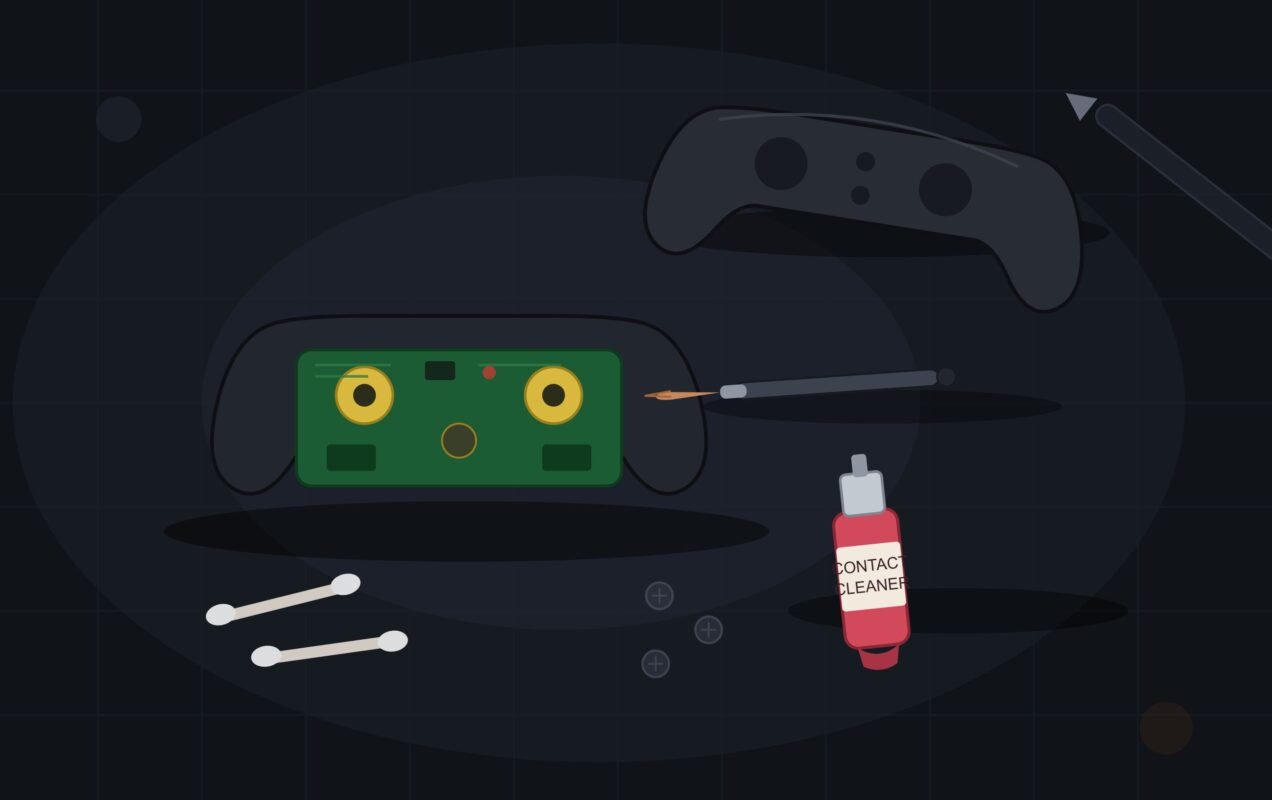
For most players noticing their controller feels weaker than before, the fix path depends heavily on age and cause. If the controller is under two years old and has seen regular use, a careful cleaning around the motor’s visible mounting points, using a small amount of contact cleaner rather than compressed air, can sometimes free up minor debris-related friction and restore a modest amount of the lost intensity. This works only on the margins, restoring perhaps ten to twenty percent of lost output in cases where debris buildup, as opposed to genuine bearing wear, is the primary cause.
Apply contact cleaner sparingly with a fine-tipped applicator if your controller’s shell has any visible venting near the motor housing, since most designs do not allow direct access without opening the shell. Let it sit for a minute before testing, and avoid oversaturating the area, since excess liquid finding its way into unrelated electronics inside the shell creates a new problem while trying to solve an old one.
Controller feedback troubleshooting beyond that point moves into motor replacement territory, which is a more involved repair requiring the same kind of basic disassembly skills as a stick module swap, using replacement motor units widely available for common controller models. This directly addresses genuine bearing wear in a way cleaning cannot, since it replaces the actual worn component rather than attempting to reduce friction around it.
This is the point where controller vibration motor wear stops being a cleaning problem and becomes a replacement decision. If your controller is already several years old or showing other signs of wear alongside weakening vibration, replacing the whole unit is frequently the more sensible choice over a targeted motor repair, particularly since motor replacement requires opening the controller regardless, and once you are inside anyway, the calculation shifts toward whether the rest of the controller justifies the repair effort at all.
Quick Checklist — Fixing Weak Vibration Motors
- Confirm the motors technically work through a basic vibration test before assuming they need replacing.
- Understand that rumble intensity drop is usually gradual wear, not a sudden failure.
- Skip compressed air around the motor housing; it rarely reaches the actual friction point.
- Try contact cleaner around visible mounting points on a controller under two years old.
- Do not expect maximum in-game vibration settings to restore genuinely weakened physical output.
- Consider motor replacement if cleaning does not significantly help and the controller is otherwise healthy.
- Weigh full replacement over targeted motor repair if other wear is present alongside the vibration issue.
- Compare directly against a newer identical controller if you are unsure whether the decline is real or imagined, since side-by-side comparison is the most reliable controller feedback troubleshooting step available.
A controller that seems to feel weaker than before is not something you imagined. Haptic feedback degradation is one of the quieter controller problems, easy to dismiss as imagination until you feel the difference directly against a fresher unit. It is real, it is gradual, and past a certain point, cleaning alone will not bring it back.