

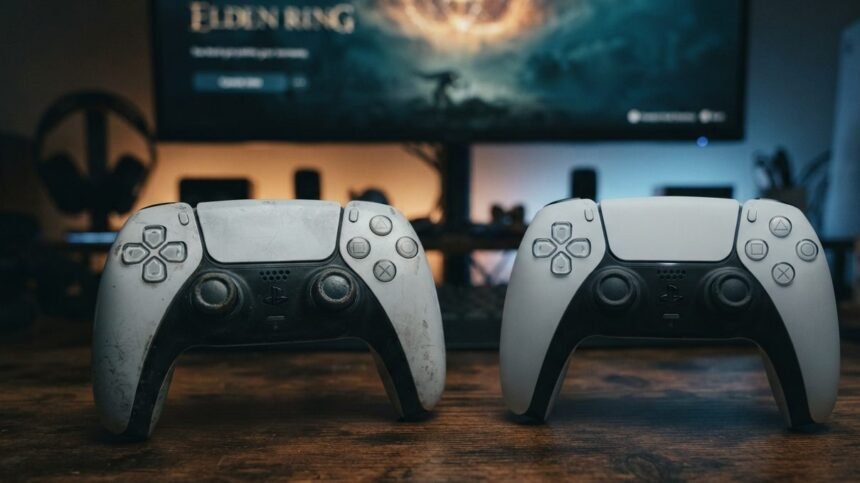
Someone asked me whether they should repair a two-year-old controller with drifting sticks or just buy a new one, and I realized I did not have a clean answer, just a pile of individual repair guides with no single system connecting them. A realistic timeline for when to repair vs replace a controller turned out to need actual numbers, not vague advice, so I tracked repair costs and outcomes across a year of my own controllers to build one.
What Repair vs Replace a Controller Actually Comes Down To
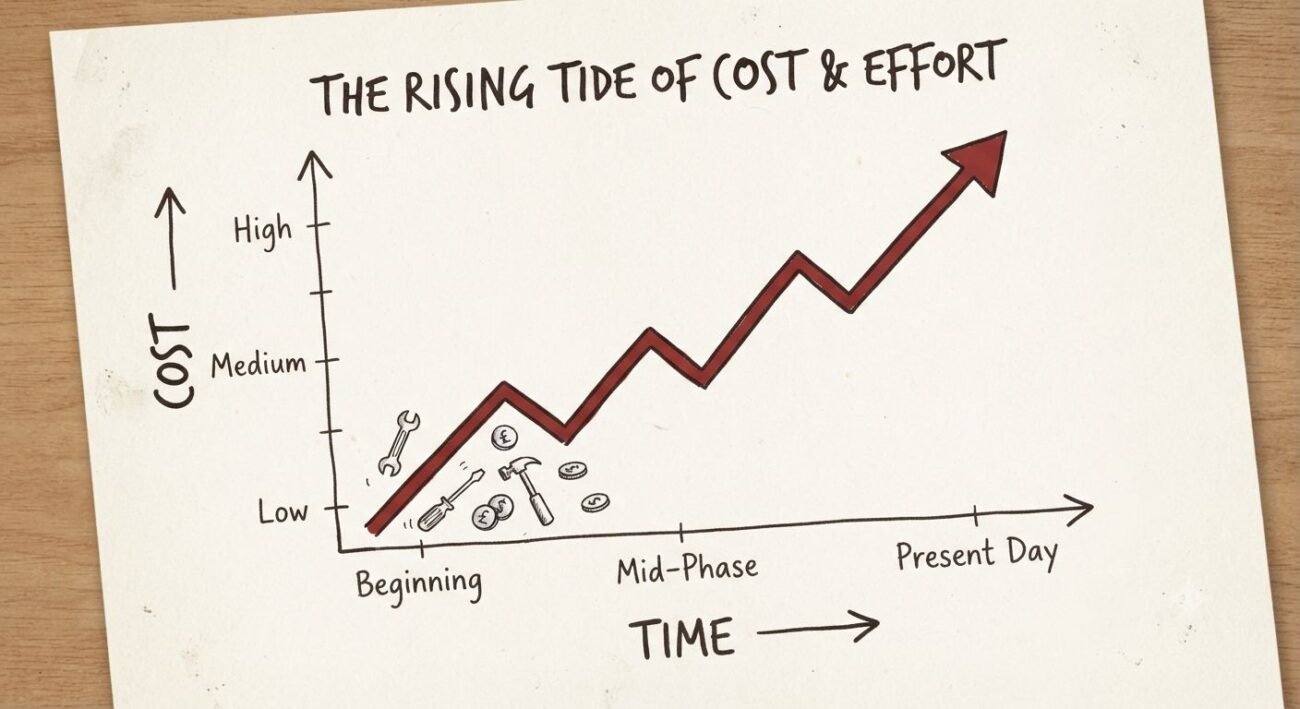
The decision to repair vs replace a controller is really a comparison of three numbers: the cost of the repair, the remaining expected lifespan of the controller after that repair, and the cost of a comparable replacement. Most players skip the middle number entirely, focusing only on repair cost versus replacement cost, which produces a distorted picture, since a five-dollar stick cleaning on a controller with two years of healthy life left is a completely different decision than the same five-dollar cleaning on a controller already showing three other unrelated signs of wear.
Controller repair cost varies enormously depending on what is actually wrong. Cleaning a stick costs nothing but a bit of alcohol and time. A stick module replacement runs roughly ten to twenty dollars in parts for most common controllers. A full internal teardown addressing multiple simultaneous issues- sticks, triggers, and a battery- can approach half the cost of a new budget controller once you account for the parts and the time investment, at which point the math starts favoring replacement even though each individual repair remains technically possible.
Controller lifespan under normal use, two hours a day of mixed gaming, tends to show the first meaningful wear symptoms somewhere between eight months and eighteen months, depending heavily on grip style, build quality, and whether the controller uses Hall effect sticks or standard potentiometers. Controller lifespan is simply too variable across grip styles and build quality for a single universal number to be useful. This range is wide enough that a universal timeline is not really possible, but tracking your own specific controller’s history gives you a much more useful personal baseline than any generic number.
When to Repair vs Replace a Controller Actually Makes Sense
Whether fixing a controller is worth it depends heavily on how many separate issues you are actually dealing with at once. A single, isolated problem- drift on one stick, a rebounding trigger, a weakening vibration motor- on a controller that is otherwise healthy and under roughly eighteen months old, almost always favors repair. In almost every case like this, the question of whether fixing a controller is worth it answers itself quickly: the cost is low, the fix is usually straightforward, and the rest of the controller has plenty of remaining useful life to justify the small time investment.
When to replace a gamepad becomes the more sensible framing once you are looking at two or more simultaneous issues on a controller already past the eighteen-month mark. Knowing when to replace a gamepad rather than keep patching it comes down to this exact threshold. At that point, the cumulative repair cost starts approaching a meaningful fraction of a replacement, and critically, fixing the current known issues does nothing to prevent the next one from showing up in a few more months on a controller that is fundamentally reaching the end of its practical service life.
Controller replacement timeline decisions also depend on how the controller is used. A competitive player relying on split-second precision has a much lower tolerance for even minor degraded performance and reasonably replaces sooner than a strictly casual player who barely notices small imperfections. There is no universally correct controller replacement timeline, only a timeline that corresponds to how much a given imperfection actually costs you in the setting you are playing in.
A Realistic Timeline Based on Actual Tracking
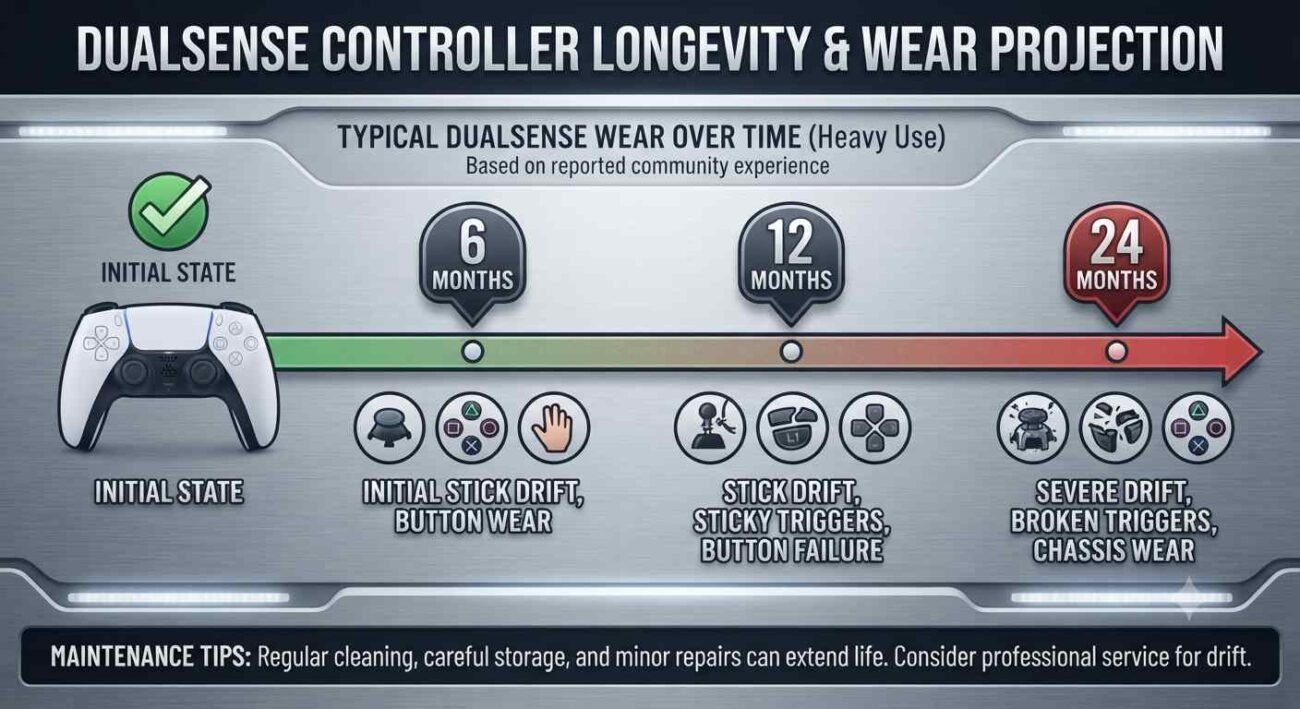
Months one through six typically show no meaningful wear on a reasonably built controller under normal use, and any issue appearing in this window is more likely a manufacturing defect worth pursuing under warranty rather than a wear issue worth a personal repair. Months six through twelve are when the first minor symptoms tend to appear on controllers with standard potentiometer sticks, usually a very mild resting offset addressable through simple calibration rather than any physical repair at all.
Months twelve through twenty-four are where genuine physical wear symptoms become common on a controller with regular daily use: stick drift that calibration cannot fully correct, occasional trigger rebound, and a noticeably weaker vibration motor. This is squarely repair territory for most single-issue cases, and the controller usually has enough remaining life to justify the modest cost and effort involved.
Past twenty-four months with heavy regular use, multiple simultaneous wear symptoms become increasingly likely, and this is where controller repair cost calculations start shifting meaningfully toward replacement, particularly once you are looking at two or more separate repairs needed within a short window of each other. A controller with Hall effect sticks from the start tends to push this entire timeline out considerably, since it removes the single most common wear-driven repair need from the equation almost entirely.
Tracking my own controllers over the past two years gave me a rough personal baseline worth sharing as an example, not a universal rule. A standard potentiometer Xbox controller used roughly two hours daily needed its first stick cleaning around month seven, a second cleaning around month fourteen that no longer fully resolved the drift, and was replaced around month sixteen after a second stick began showing similar symptoms alongside the first. A Hall effect controller purchased around the same time, subjected to the same daily use, has shown zero drift-related issues in that same window, though its trigger mechanism needed a rebound fix around month eleven, a sign that Hall effect sticks solve one specific wear category, not every possible controller problem.
Quick Checklist — Deciding Between Repair and Replace
- Count how many separate issues your controller currently has before deciding, not just the one bothering you most.
- A single issue on a controller under eighteen months old almost always favors repair.
- Two or more simultaneous issues on an older controller usually favor replacement.
- Factor in your own play style; competitive players justify replacement sooner than casual players.
- Track your controller’s actual repair history; it is a better guide than any generic timeline.
- Consider hall effect sticks on your next purchase if stick drift has been a recurring repair need.
- Remember that repair time has real cost too, not just parts, when weighing the decision.
- Treat a controller past twenty-four months with new issues as a strong replacement candidate by default.
There is no single correct answer for when to repair vs replace a controller, but there is a genuinely useful framework: count the issues, check the age, and be honest about whether you are fixing a controller with real life left in it or just delaying a replacement you already know is coming.