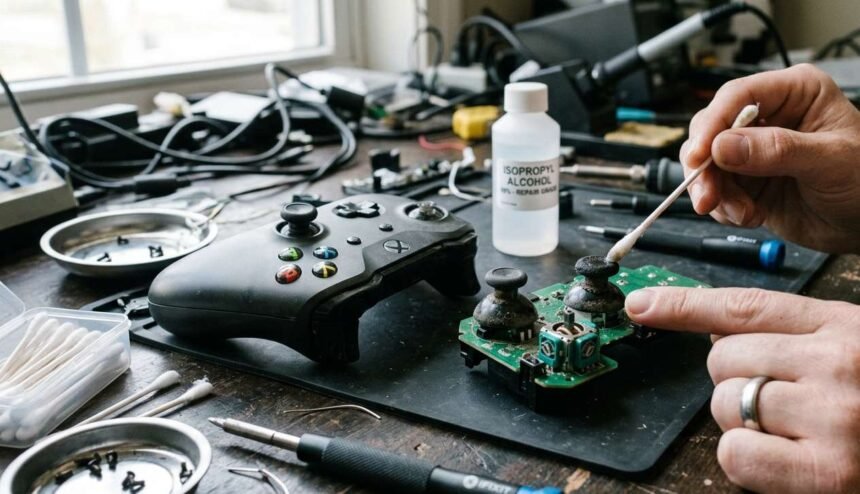
I cleaned the same stick four times over two months: isopropyl alcohol, careful disassembly, the whole routine, and the drift came back every single time within a week or two. Cleaning a stick doesn’t fix drift permanently in every case, and figuring out why took longer than the cleaning itself, because the actual cause was not what any cleaning guide had prepared me for.
Cleaning addresses one specific cause of drift: debris and dried residue sitting on the resistive track a potentiometer stick uses to report position. When that is the actual cause, cleaning works well, often completely resolving the drift for months. When it is not the actual cause, cleaning a stick doesn’t fix drift no matter how many times you repeat the process, because you are treating a symptom that happens to look identical to the real problem but has a completely different mechanical source.
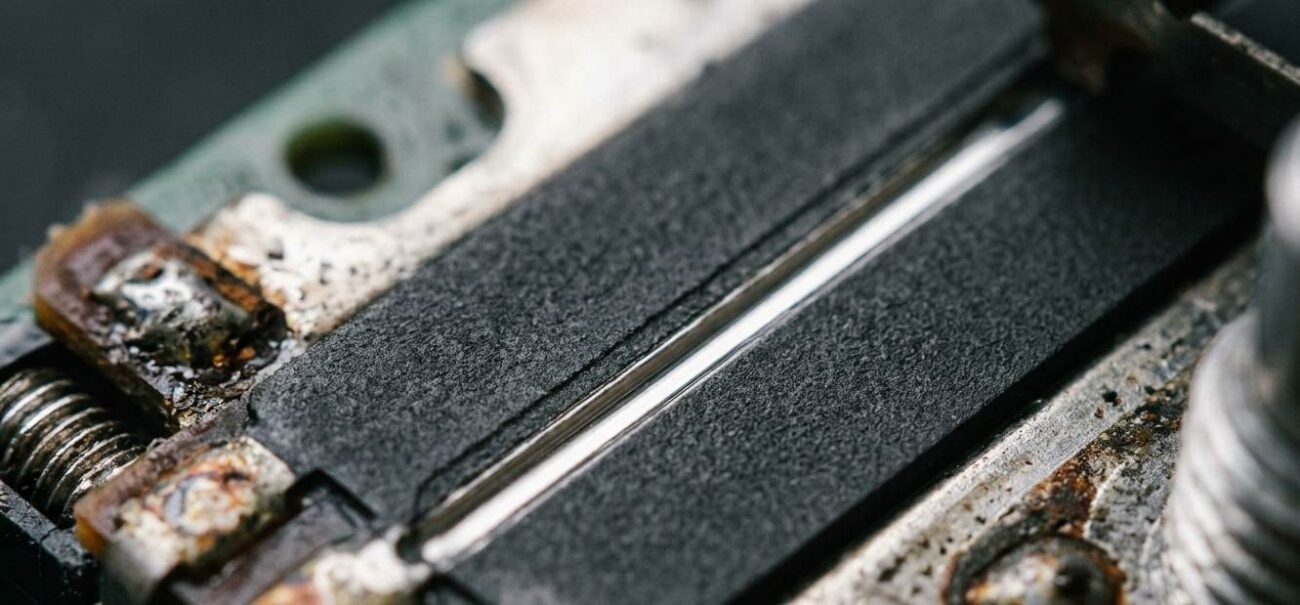
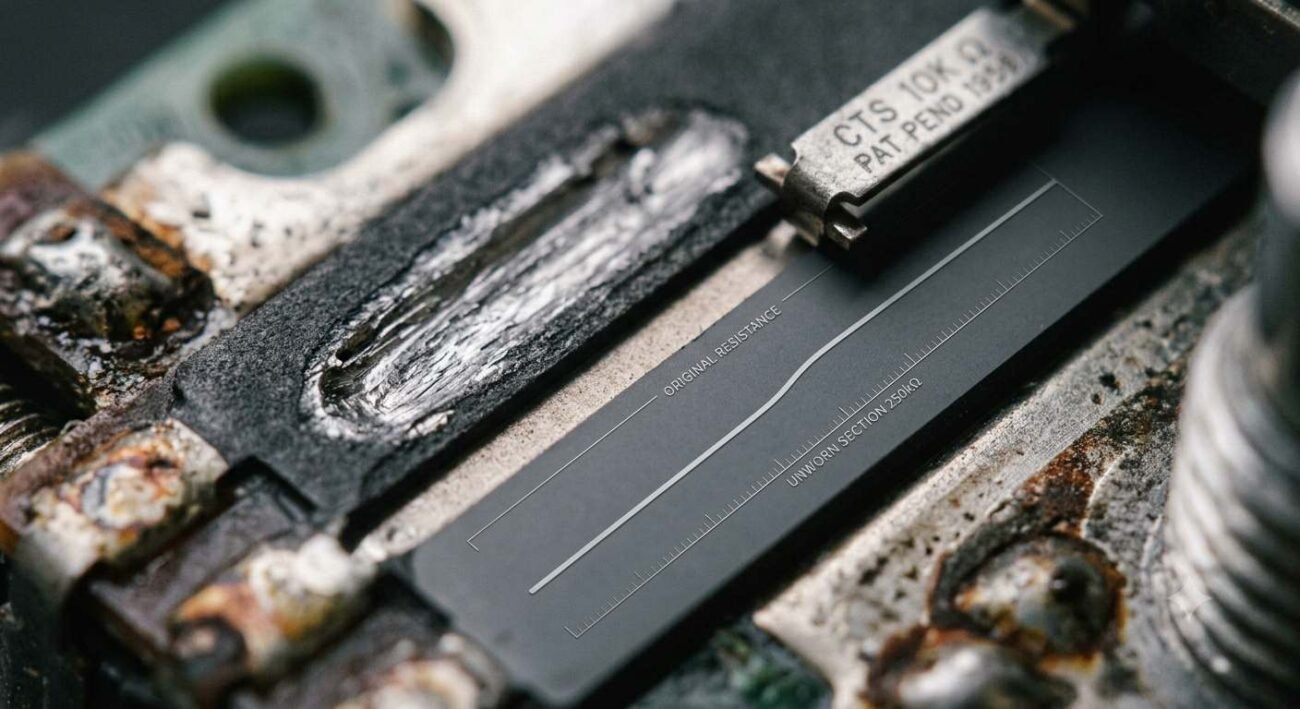
Stick drift after cleaning that returns within days, rather than weeks or months, is the clearest signal cleaning was never actually addressing your specific cause. Any noticeable stick drift after cleaning that shows up again within a week deserves real suspicion rather than a repeat cleaning attempt. Analog stick repair guides rarely distinguish between drift caused by surface contamination, which cleaning genuinely fixes, and drift caused by physical wear grooves worn into the resistive track itself, which cleaning cannot fix because there is no residue to remove, only a physically degraded surface that alcohol cannot restore.
Controller drift troubleshooting has to start with this distinction before choosing a fix, because the two causes look and feel identical during a basic drift test but respond completely differently to the same cleaning attempt. Good controller drift troubleshooting treats this as the very first branch point. A worn track has microscopic grooves cut into it by the wiper’s repeated physical contact over thousands of hours of use, and no amount of cleaning fills in a groove that has already been worn into the material itself.
What Isopropyl Alcohol Actually Fixes and What It Does Not
Isopropyl alcohol stick fix attempts work by dissolving and removing the dust, skin oils, and dried residue that accumulate on a resistive track over normal use, restoring clean electrical contact between the wiper and the track surface. This is genuinely effective when contamination is the cause, and it explains why an isopropyl alcohol stick fix resolves drift completely for a meaningful share of cases, often for many months afterward with no recurrence at all.
The failure case is mechanical, not chemical, and no cleaning solution addresses mechanical wear. Once the wiper has worn a physical groove into the resistive track through extended use, the wiper naturally settles into that groove during normal movement, producing inconsistent readings that have nothing to do with the surface contamination. Cleaning temporarily disturbs debris sitting in and around that groove, occasionally producing a brief, misleading improvement before the underlying groove reasserts itself within days.
There is a rough way to estimate which cause is more likely before you even attempt a cleaning. Controllers under six months old with moderate use are statistically more likely to have contamination-based drift, simply because there has not been enough cumulative wiper travel to cut a meaningful groove yet. Controllers past the one-year mark with heavy daily use are statistically more likely to have genuine track wear, since that is roughly the timeline where cumulative travel starts producing measurable groove depth in most standard potentiometer designs.
Drift keeps coming back specifically in this pattern, a short-lived improvement followed by a return to the same symptoms, is close to diagnostic on its own for worn track grooves rather than surface contamination. Genuine contamination-based drift, once actually cleaned properly, tends to stay resolved for a meaningfully longer period, often months rather than days, because the underlying cause was actually removed rather than just temporarily disturbed.
What to Actually Try Once Cleaning Has Failed
If drift returns within one to two weeks of a proper cleaning, done correctly with adequate alcohol concentration and full range-of-motion cycling afterward, stop repeating the same cleaning attempt and consider the track physically worn rather than dirty. Repeating an ineffective fix multiple times, hoping for a different result, wastes time that could go toward an actual solution.
This is the core of any real analog stick repair once cleaning has been ruled out. The next reasonable step is a stick module replacement, which is more involved than cleaning but still well within reach for many players with basic tools and the same kind of basic disassembly skills as a stick module swap, using widely available replacement potentiometer or Hall effect modules designed for common controller models. This physically replaces the worn component rather than trying to clean a surface that is not actually dirty, addressing the mechanical cause that cleaning cannot touch.
If disassembly and module replacement feels beyond what you want to attempt yourself, this is also the point where professional repair or full controller replacement becomes the more reasonable option, particularly if the controller is otherwise aging or has other wear starting to show alongside the stick issue. A controller with Hall effect sticks from the start is worth considering for your next purchase if this is not the first time you have dealt with drift, since it removes this entire failure mode going forward. A controller with multiple simultaneous problems is rarely worth the time investment of a single-component repair when the whole unit is approaching the end of its practical life anyway.
Quick Checklist — When Cleaning a Stick Doesn’t Fix Drift
If drift returns within one to two weeks of cleaning, suspect a worn track rather than contamination.
Genuine contamination-based drift typically stays resolved for months once properly cleaned.
Do not repeat the same cleaning attempt multiple times expecting a different result.
Consider a stick module replacement once you have ruled out contamination as the cause.
Weigh professional repair or full replacement if other wear is present alongside the stick issue.
A brief improvement followed by fast recurrence is close to diagnostic for a worn track, not dirt.
Track how long each cleaning attempt lasts, since drift keeps coming back on a predictable schedule once you know which cause you are actually dealing with.
Cleaning a stick doesn’t fix drift when the problem was never dirt in the first place. Knowing the difference between contamination and wear saves you from repeating the same failed fix indefinitely while the real cause stays untouched.