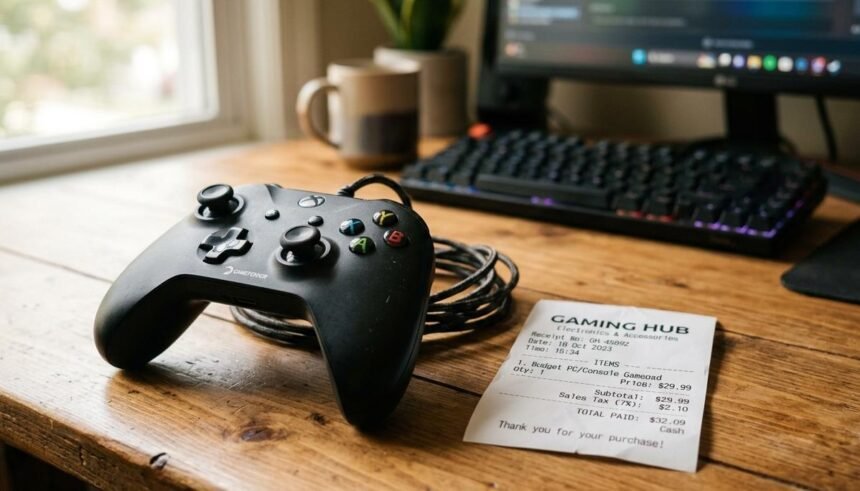
I bought a 28-dollar GameSir controller expecting to hate it. It was a placeholder while I waited for a restock on the pad I actually wanted, something to get through a weekend of ranked matches without missing a session. Three weeks later, I still had not opened the box for the 180-dollar controller sitting in my closet. Buying a cheaper controller first was supposed to be a temporary compromise. Instead, it became the thing that told me I did not need to spend 180 dollars in the first place.
Why Buying a Cheaper Controller First Actually Makes Sense
The logic behind buying expensive gear first seems natural. Spend more, get more, skip the disappointment of settling. But controllers are one of the few categories of gaming gear where the relationship between price and actual in-game performance breaks down fast past a fairly low threshold. A controller’s core job, translating your thumb and finger motions into inputs accurately and consistently, is something a 30-dollar pad and a 180 dollar pad both do correctly almost all of the time. The premium price buys you extra features layered on top of that baseline, not a better baseline itself.
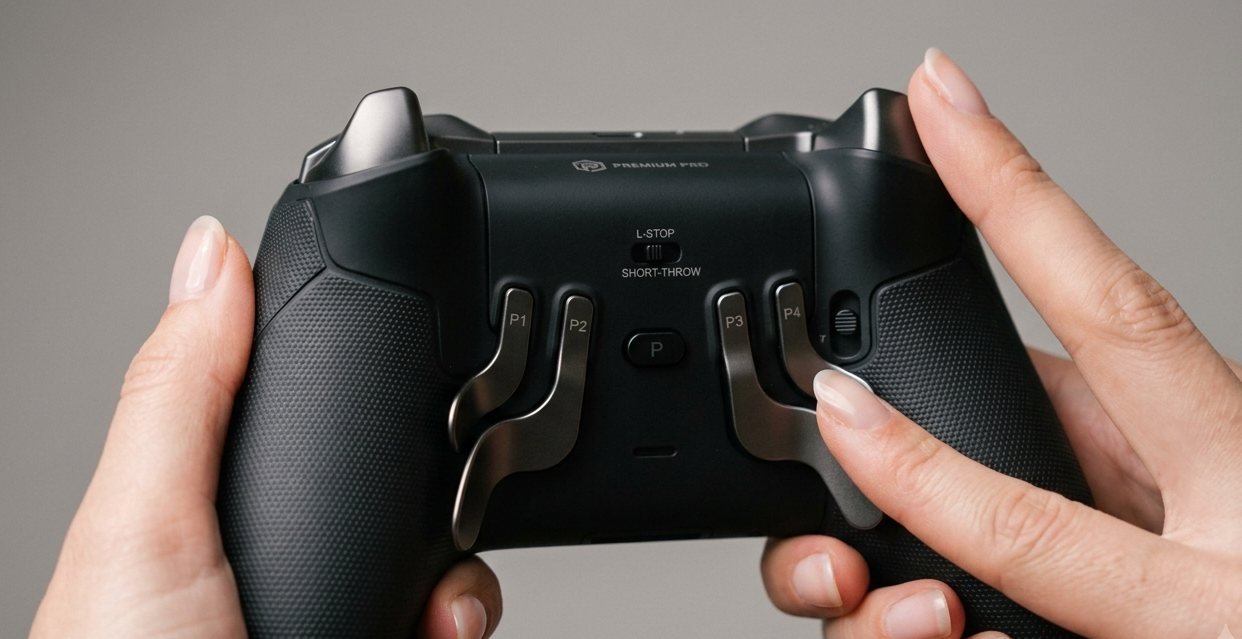
Buying a cheaper controller and testing it yourself first tells you something a spec sheet cannot: whether you actually notice or care about the things the expensive controller adds. Adjustable trigger stops, swappable thumbsticks, back paddles, all genuinely useful to some players and completely irrelevant to others. You do not know which category you fall into until you have played real sessions on a controller that does not have those features and noticed, specifically, that you wanted them.
This is really a question of low-cost controller performance versus premium convenience, not low-cost controller performance versus premium quality. The core inputs on a well-made budget pad are not inferior in any way you would feel during actual play. What you are missing, if anything, are the extras layered on top, and extras are only worth paying for once you know you use them.
What Blind Testing Reveals About Controller Value
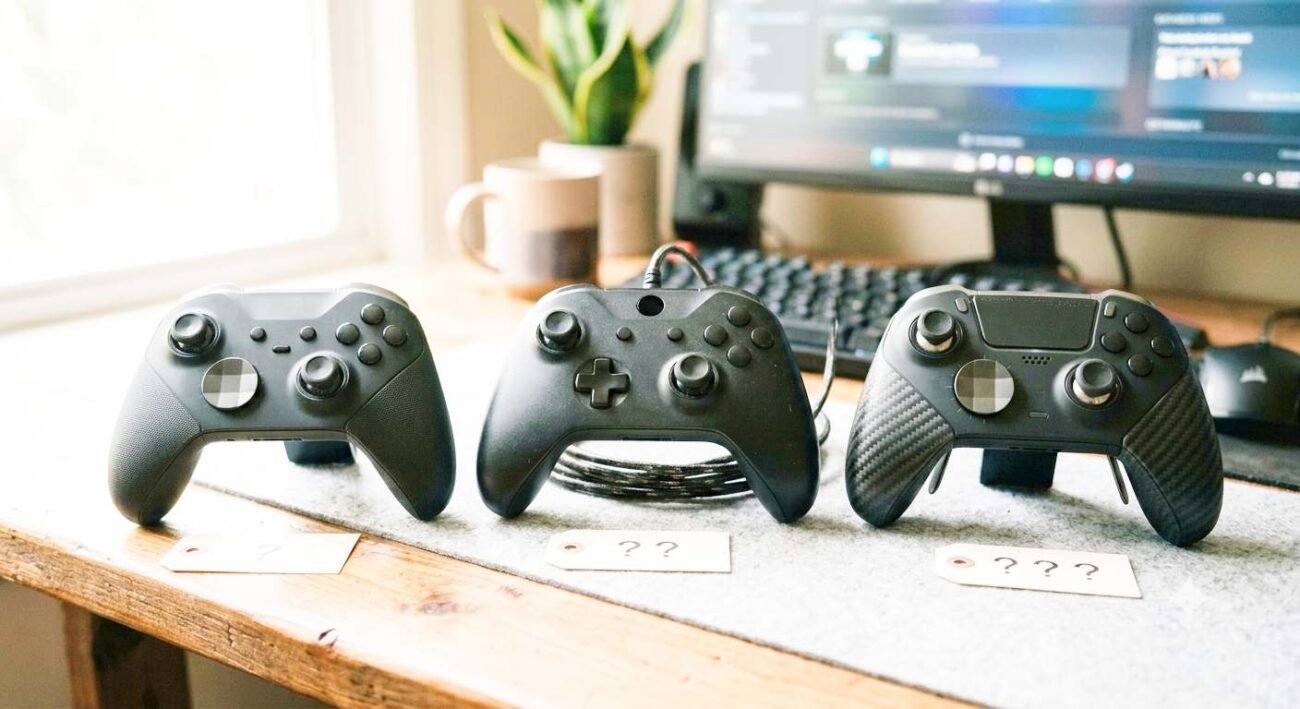
I ran an informal blind test with six other players, alternating between three controllers ranging from 25 to 200 dollars; none of them were told which pad they were using at any point during a session. Afterward, players were asked to rank the controllers by how good they felt to use. The results did not track price closely at all. Two players ranked the 25-dollar controller above the 180-dollar one. Three ranked the middle option, a 45-dollar hall effect pad, as their favorite overall, ahead of both the cheapest and the most expensive option.
This lines up with a more general pattern in affordable controller testing done more rigorously by hardware reviewers: past a certain quality floor, most players cannot consistently distinguish a premium controller from a solid budget one in blind conditions, especially in casual play where the specific features a premium pad offers rarely come into use. Controller value comparison studies consistently find that button response, stick precision, and basic build quality plateau well before the 100-dollar mark, and additional spend past that point buys convenience features rather than improved core performance.
Low-cost controller performance has also improved substantially over the past few years specifically because Hall effect stick technology, once exclusive to premium pads, has become inexpensive enough to appear in 40- to 50-dollar controllers. A budget pad today solves the one problem, stick drift, that used to be the strongest argument for spending more, which removes a significant chunk of the first case for buying expensive.
A proper controller value comparison has to account for this variation. Five years ago, choosing budget meant accepting drift-prone potentiometer sticks as a real tradeoff. Today the same 45-dollar price bracket that used to mean compromise now includes hall effect sticks that will outlast the plastic shell around them, which changes the actual math of a controller value comparison significantly in the budget option’s favor.
Build quality is the one area where price differences remain honest and consistent, worth acknowledging directly rather than glossing over. Premium controllers generally use thicker plastic, tighter tolerances between shell panels, and more strong internal frames, and that does translate into a controller that survives rougher handling for longer. If you are hard on gear, drop controllers regularly, or grip aggressively during tense moments, that durability gap is real and not something a blind feel test captures, since a blind test measures how something feels on day one, not how it holds up by month eight.
When the Expensive Controller Is Actually Worth It
None of this means premium controllers are a waste of money for everyone. If you already know, from real hands-on time, that you use back paddles constantly, or that adjustable trigger stops meaningfully change your reaction time in competitive shooters, the expensive controller is solving a problem you have already confirmed you have. Is an expensive controller worth it in that specific case? Genuinely, yes, because you are paying for features you have proven you use rather than features you assumed you would use.
Professional and semi-competitive players are the clearest case for skipping the cheap-first approach entirely. If your income or ranking depends on marginal input advantages, the cost of a premium controller is trivial compared to what you are optimizing for, and the adjustable components genuinely matter at that level of play in ways they do not for a casual weekend session. Asking whether an expensive controller is worth it makes sense as a question at that level, because the answer is clearly yes once real money or ranking is on the line.
For everyone else, the honest answer is that buying a cheaper controller and living with it for a month tells you far more about what you actually need than reading ten reviews of the most expensive option on the market. Most players who make the jump to premium gear do so based on marketing and assumption rather than a confirmed gap in what their current controller does, and that is an expensive way to find out you did not need the upgrade.
Affordable controller testing does not require a lab or expensive equipment, just an honest month of actual play and a disposition to notice what you do and do not miss. If you go in looking for a budget gamepad worth it rather than assuming budget automatically means compromise, the test tends to be far more useful.
Quick Checklist — Testing a Budget Controller Before You Upgrade
Buy a controller in the 25 to 50 dollar range and use it as your primary pad for at least three weeks.
Track specific moments where you wish you had a feature the budget pad lacks, not a general sense of dissatisfaction.
Look for a budget gamepad worth it specifically for hall effect sticks, which now exist under 50 dollars.
Compare button response and stick precision directly against a premium pad if you have access to one, not from memory.
If you consistently miss adjustable trigger stops or back paddles after a month, that is a real signal to upgrade.
If you cannot identify a specific missing feature after a month, the premium controller was likely solving an imagined problem.
Competitive and professional players should skip this test and buy for the features their level of play actually requires.
Revisit the decision after three weeks, not three days, since early impressions rarely reflect real long-term use.
The best controller for you is rarely the most expensive one on the shelf. Buying a cheaper controller and paying attention to what it actually lacks, rather than what marketing tells you it should lack, is the cheapest and most honest research you can do before spending real money.