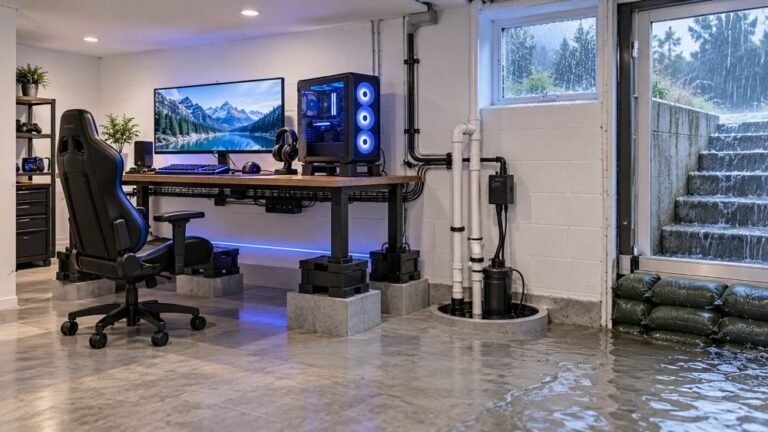
How To Protect A Basement Gaming Setup From Storm Flooding
The basement is the obvious place to put a gaming room. It is cooler, it is quieter, nobody complains about the noise…

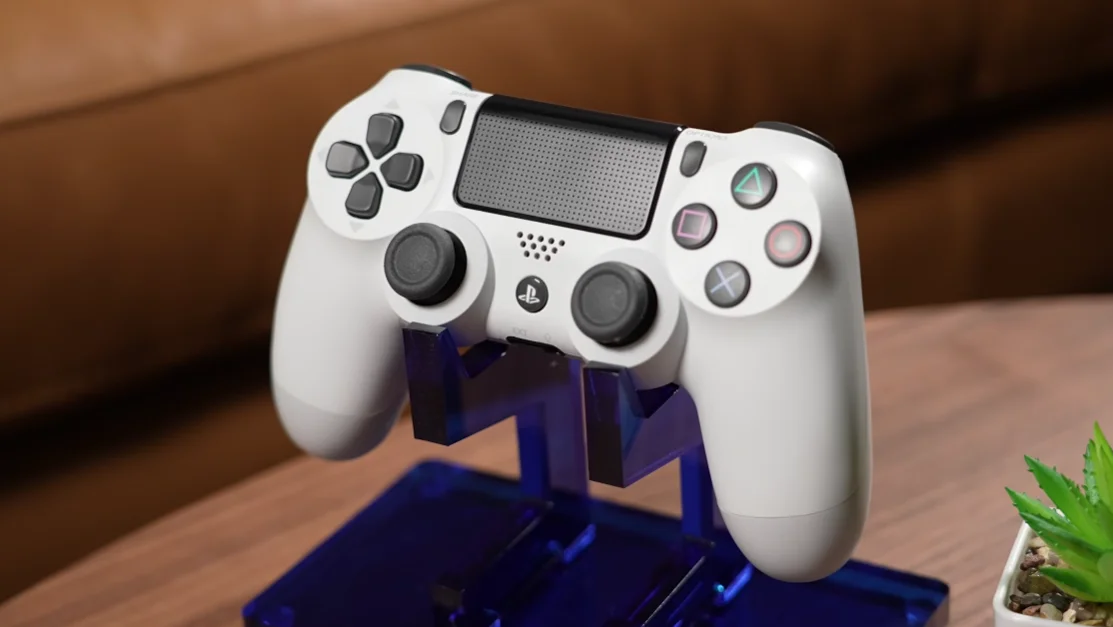
Packing a spare controller away for maybe six months while I am working abroad. Not sure what charge level to leave it at. Some people say store electronics full, some say empty so nothing degrades, and I have a vague memory of reading that half is correct for lithium. Also does it matter where I store it, and is there anything I should do when I come back before using it?
Half is right, around 40 to 60 percent. Full degrades the cell faster and empty risks it self-discharging below the point the charger will accept. Store it cool and check it every few months if you can.

Your vague memory is the correct one. For a lithium cell, roughly half charge is the right storage state, and both of the other pieces of advice are actively wrong.
Storing at full charge ages the cell faster. A lithium cell held at a high state of charge degrades measurably more quickly than one at a middling level, which is why electronics shipped from factories arrive part charged rather than full. Six months at 100 percent will cost you real capacity.
Storing empty is worse, and this is the one that actually loses controllers. A lithium cell self-discharges slowly in storage. Start near empty and over six months it can fall below the voltage the charge circuit will accept, at which point the controller appears completely dead and refuses to charge at all. That is exactly the fault behind most of the completely-dead controllers we see, and it is entirely avoidable.
So aim for 40 to 60 percent. Charge it to full, then play with it for an hour or two until the reading is around half, then put it away.
On where: somewhere cool and dry, at room temperature or a little below, out of direct sun and not in a loft, garage or car, because heat is the other thing that ages a cell in storage. A drawer indoors is ideal. Make sure nothing is pressing a stick, trigger or button, since that keeps the controller awake and will drain it.
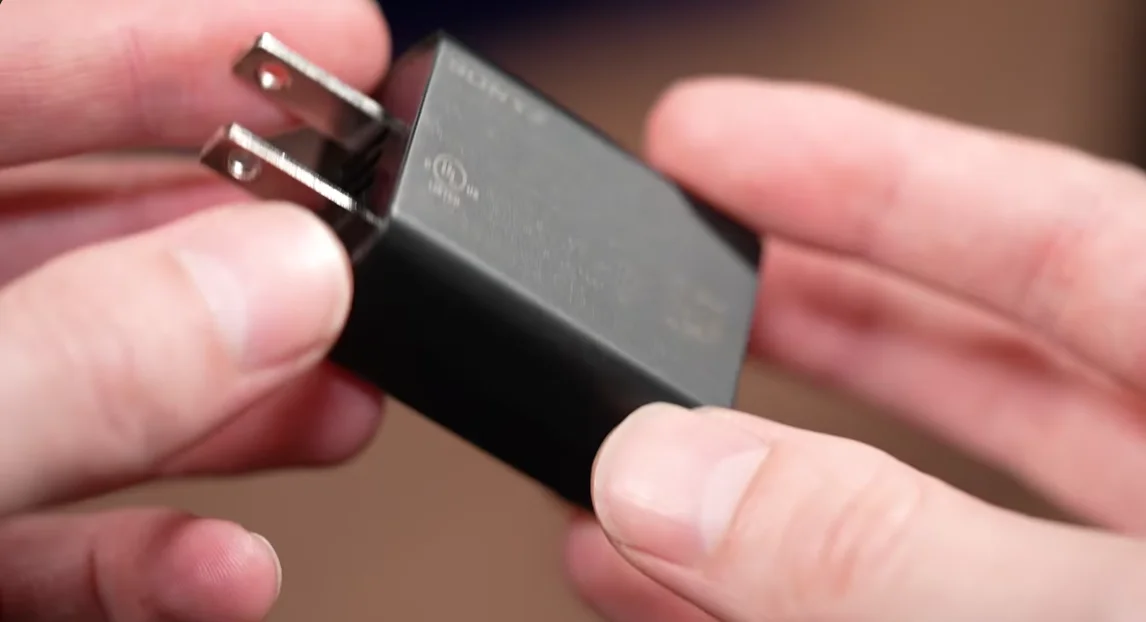
When you come back: do not plug it straight into a fast charger. Connect it to a plain low-power USB port and let it charge gently, and give it several hours before judging it. Then charge to full, run the battery telemetry test on a full discharge once, and you will know what capacity you have left. If it does appear dead on return, the slow trickle charge from a low-power port over several hours is the thing that most often brings one back.
If someone can press the power button and top it up to half once in the six months, that is better still, but not essential.
Tested on: DualSense CFI-ZCT1W units stored at approximately 100, 50 and 5 percent charge for six months at room temperature, with capacity measured before and after. The full-charge unit lost the most capacity, the half-charge unit the least, and the near-empty unit required a multi-hour low-current charge before the circuit would accept it at all.
Checked by Oliver Sterling on . How we verify answers
Hardware QA Lead at Gamepad Tester
Sneha leads manual hardware QA. Her lab takes controllers that arrive with no published specifications, mostly budget and mobile pads, and puts each one through the same fixed set of checks: every button and axis registers, deadzones are inside tolerance, rumble motors both run, the battery holds its claimed runtime, and the pad still passes after a charge cycle or two. Pads that fail are documented rather than quietly dropped. On Gamepad Tester she reviews the answers about cheap controllers behaving unpredictably and about battery and charging faults.
 Calder WrightFront-End Web Architect And Gamepad API Lead
 Elena RostovaHardware Diagnostics Engineer
 Garrett LindsayHardware Reviewer And Input Performance Specialist
 Venom’s Tech (Abhishek)Peripheral Reviewer And Tech Journalist
 Chloe HendersonHall Effect And Thumbstick Analyst
 Thiago AlvesHardware Repair Educator
 Devon MillerLow Latency And Input Timing Engineer
 Liam DaviesBluetooth And Wireless Test Engineer
Each answer is written by the specialist who owns that part of the hardware, tested on a real controller, and checked by a second team member. How we verify answers
Answers are free general guidance from the Gamepad Tester Team and the community. Opening a controller or replacing a thumbstick module can void your warranty, so check the maker's support or warranty first. Battery and soldering work carries a real risk of damage or injury.
Every test runs in your own browser with the Gamepad API. No sign up, no download, and your controller data never leaves your device.
The basement is the obvious place to put a gaming room. It is cooler, it is quieter, nobody complains about the noise…
Long gaming sessions quickly expose controller flaws like fatigue, stick drift, wireless latency, and inconsistent…
Whether you're a casual gamer or a competitive player, a malfunctioning controller can ruin your gaming experience…
The newest replies from players and the Gamepad Tester Team.